
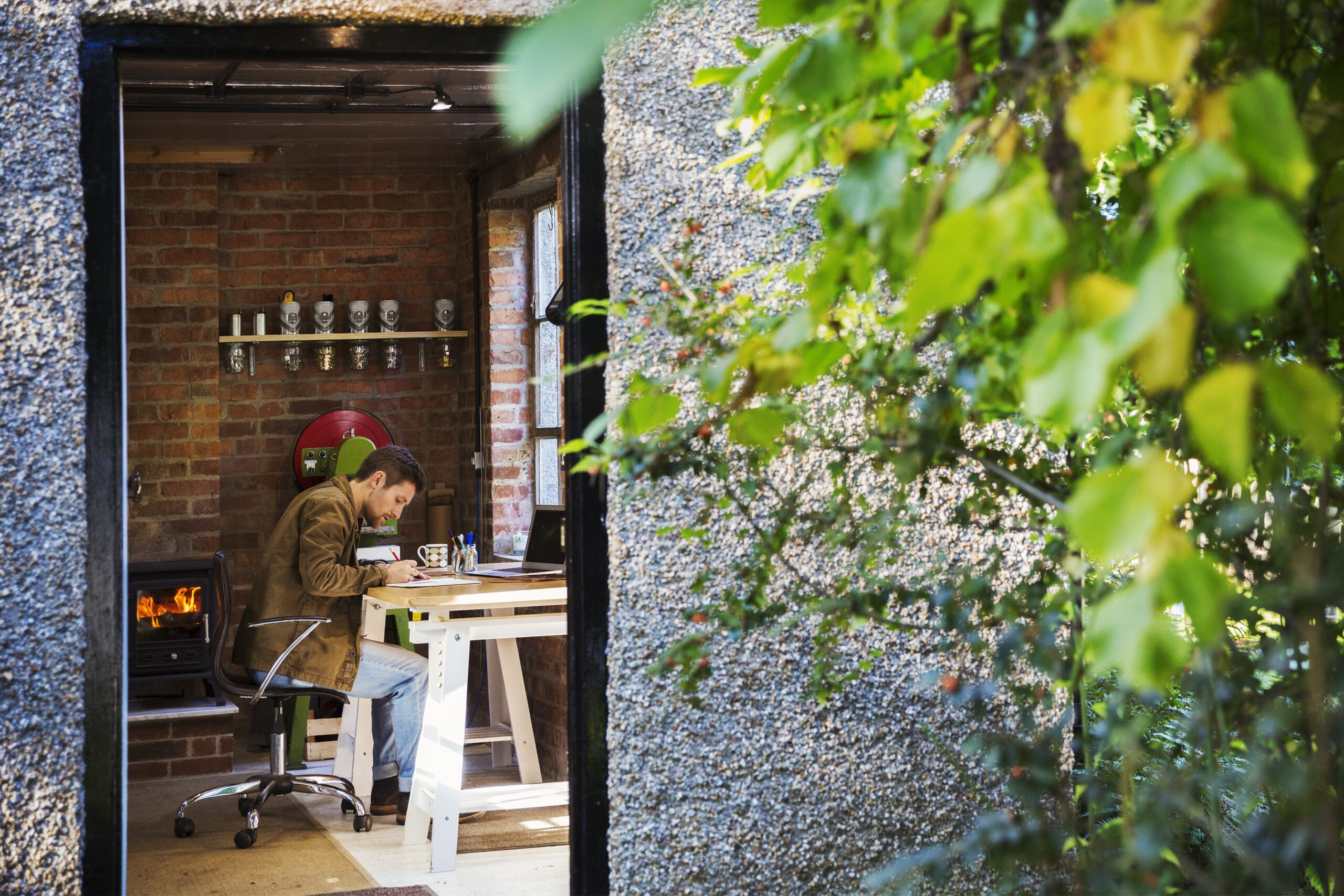
As the warmer May weather arrives across Hampshire, our focus naturally shifts toward the outdoors. In 2026, the traditional concept of the backyard shed has been completely transformed. Homeowners in busy urban areas like Portsmouth or growing suburbs like Waterlooville are no longer looking for mere lawnmower storage; they are seeking to create high-spec, architecturally designed retreats. A bespoke garden room layout represents a unique opportunity to add versatile, high-value square footage to your property without the disruption or timeline of a traditional house extension. Whether you envision a focused home office, a creative studio, or a wellness sanctuary, these structures are redefining modern detached living.
The secret to a successful detached retreat lies in treating it with the exact same architectural rigor as your main residence. It is a common misconception that a standalone garden building can be quickly ordered from a catalogue and dropped onto a concrete slab. To truly feel like an inspirational sanctuary, a modern garden room layout must consider site orientation, natural light paths, and the surrounding landscape. By intentionally designing the structure to frame views of your garden or capture the late afternoon sun, you create a destination within your own borders, a psychological separation between the stresses of domestic life and a space dedicated to focus or relaxation.
This seasonal shift in May is the perfect time to begin the design phase, allowing you to complete construction before the autumn chill sets in. In the post-pandemic era, the demand for flexible domestic spaces has remained permanently high, but the expectation for quality has risen significantly. A premium garden building in 2026 is a fully insulated, structurally sound timber or steel-framed building that functions seamlessly in December as it does in June. By moving away from flimsy, temporary structures and investing in professional design, you ensure that your new garden retreat becomes a permanent, value-adding asset to your Hampshire home.
Ultimately, the garden room revolution is about lifestyle optimisation. It allows multi-generational households to coexist peacefully by providing an independent “escape valve” on the property. When planning your project, the initial steps should always involve evaluating your plot’s unique microclimate and understanding how a new structure will interact with your existing home’s views and privacy. As we explore the design principles and legal frameworks in the following sections, you will see how a thoughtful approach to your garden room layout can transform a simple patch of lawn into the most coveted room on your property.
Navigating the Rules: Permitted Development Outbuildings Demystified
The legal landscape surrounding garden construction is exceptionally generous, provided you understand the specific technical boundaries. In the realm of residential design, a significant majority of standalone studios are built using permitted development outbuildings criteria. This national grant of planning permission allows you to bypass the traditional eight-to-twelve-week council application process entirely. However, because these rights are strictly defined by law, a single millimetre of oversight can transform a peaceful garden sanctuary into a costly enforcement dispute with local authorites.
The most critical factor to analyse when drafting your layout is the physical distance between the new structure and your property lines. Under Class E guidelines, if any part of your proposed structure sits within two metres of a boundary fence, the entire building is strictly capped at a maximum overall height of 2.5 metres. This specific “boundary bite” is designed to prevent tall structures from overshadowing a neighbour’s lawn. To maximise your internal volume, a smart garden room layout often pushes the building back beyond this two-metre zone, which instantly unlocks a higher roof allowance of up to 3.0 metres for a modern flat roof, or 4.0 metres for a traditional dual-pitched design.
Beyond height, the cumulative footprint of your outbuildings must be carefully managed. The law dictates that all detached structures, including your new office, any existing timber sheds, and greenhouses, must not cover more than 50% of the total land surrounding the original house (defined as the property footprint as it stood in 1948). Furthermore, the intended use of the building must remain strictly “incidental” to the main dwelling. This means using permitted development outbuildings for everyday domestic purposes like a home gymnasium, a painting studio, or a remote workspace is perfectly legal, but transforming it into a self-contained, independent dwelling or a permanent overnight guest bedroom will instantly trigger the requirement for a full planning application.
It is also vital to note that these national development rights are not universal. If you live in a listed building, a flat, or a maisonette, your property does not possess automatic Class E privileges, and any external structure will require full planning consent. Similarly, if your home is situated within a designated conservation area (such as parts of Southsea or Old Winchester) or falls under an active Article 4 Direction, the local council can restrict these allowances to preserve the historic streetscape. Verifying these property constraints during the initial consultation ensures that your garden room layout rests on firm legal ground before construction begins.
Designing for All Four Seasons: Beyond the Summer House
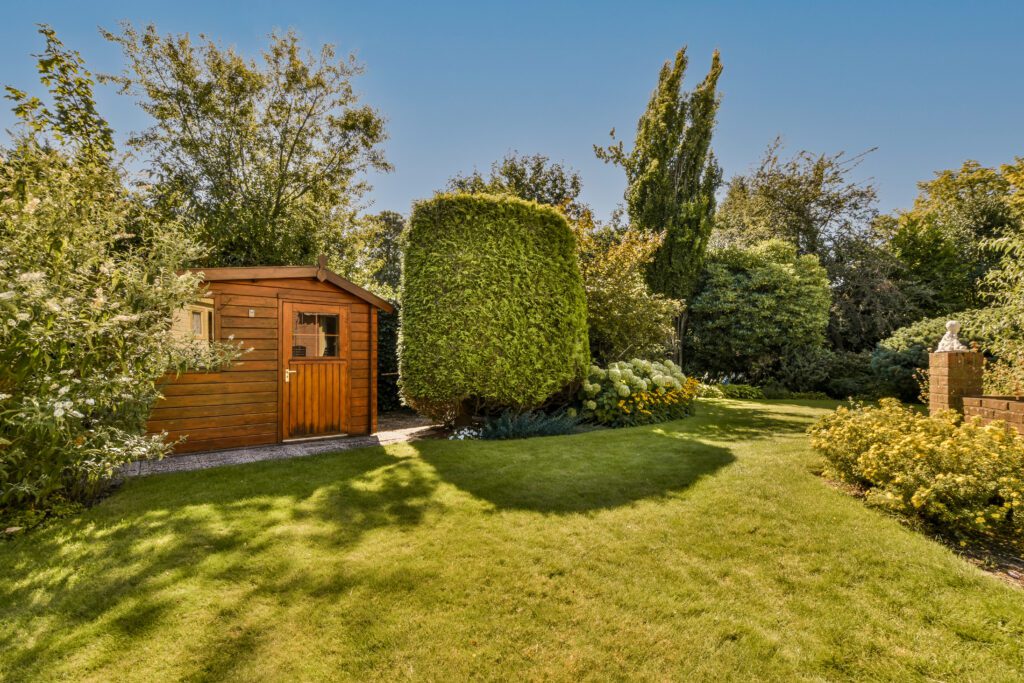
To ensure your garden sanctuary remains an inspiring retreat during the damp Hampshire winter as well as the height of summer, you must look past basic timber construction. The 2026 Building Regulations have placed an unprecedented emphasis on thermal efficiency across the UK construction sector, and while small standalone outbuildings under 15 square metres are technically exempt from full building control, the principles of professional architectural design UK still dictate a “fabric-first” approach. If your new studio isn’t built to regulate its own temperature, it will fast become an expensive, unusable box for six months of the year.
The baseline for a premium, year-round building begins with high-performance insulation. Most bespoke designs in 2026 utilise Polyisocyanurate (PIR) rigid foam boards or structurally insulated panels (SIPs) built directly into the timber frame. To achieve a comfortable internal climate without excessive heating bills, we aim for low U-values across the walls, roof, and floor. Incorporating a minimum of 75mm to 100mm of premium PIR insulation ensures that the structure traps ambient warmth in January while preventing the internal volume from turning into an oven under the midday May sun.
Glazing is the next critical element in four-season performance. Large sliding doors are fantastic for creating a connection with your garden, but expanses of glass are historically the primary source of heat loss. In 2026, standard specifications have risen to meet stricter efficiency targets, meaning your glass should feature argon-filled double glazing with a U-value of 1.2 W/m²K or better. For properties close to busy commuter routes or train lines in Portsmouth, we frequently upgrade this to acoustic laminate glass, ensuring your Monday morning video calls remain completely undisturbed by the outside world.
Finally, managing internal moisture and climate control requires a coordinated approach. Because timber outbuildings are susceptible to condensation if sealed too tightly without proper airflow, integrating trickle vents or a mechanical heat recovery unit is highly recommended. For heating, programmable electric underfloor heating mats hidden beneath engineered timber or luxury vinyl tiles provide an efficient, space-saving heat source. By investing in these hidden, high-performance layers during the initial construction phase, you elevate your layout from a simple summer house to a resilient, permanent extension of your domestic footprint.
Maximising Your Garden Room Layout
Designing a detached sanctuary is an exercise in spatial efficiency. Because permitted development outbuildings are generally capped in size to preserve your garden’s footprint, every square metre inside must work twice as hard. In 2026, the trend has firmly moved away from single-purpose spaces toward multi-functional zones. A clever garden room layout should be agile enough to act as a distraction-free executive boardroom at 10 AM, a peaceful yoga studio at 4 PM, and an intimate family cinema room by weekend evenings. Achieving this level of flexibility requires careful planning around furniture, zoning, and acoustics.
To prevent the space from feeling cluttered, we design the floor plan with distinct physical zones. Instead of heavy stud walls that block natural light and make a small footprint feel claustrophobic, consider using built-in, floor-to-ceiling cabinetry that acts as both storage and a spatial divider. A pocket door can hide a small kitchenette or an en-suite cloakroom without consuming the valuable swing space of a traditional door. By concealing the practical elements of an office, such as printers, monitors, and filing systems, behind sleek, minimalist panels, you can instantly shift the emotional tone of your garden room layout from a high-pressure workspace to a relaxing weekend retreat.
Acoustic zoning is another often-overlooked design principle when planning a standalone structure. If your garden building is positioned close to a boundary line or near a busy family patio, sound transfer can quickly ruin your concentration. Incorporating acoustic plasterboard and acoustic mineral wool insulation within the wall cavities helps to isolate the space from external noises. Furthermore, if you plan to use your garden room layout for music practice or high-volume entertainment, these same acoustic layers work in reverse, ensuring you don’t disturb your neighbours or fall foul of local noise ordinances in tightly packed residential areas.
The transition from the interior floor to the outdoor landscaping also plays a massive role in how spacious your layout feels. By extending your internal flooring material, such as a specific tone of timber or porcelain tiling, out onto a flush external decking or patio area, you create a powerful optical illusion that makes the building feel twice its size when the sliding doors are fully retracted. This seamless indoor-outdoor integration is the hallmark of premium architecture. It ensures that your new building doesn’t just sit on your garden, but interacts with it directly, maximising your enjoyment of the space throughout the changing seasons.
Hidden Essentials: Power, Light, and Connectivity
A truly functional backyard workspace or creative retreat requires more than just high-performance insulation; it relies on seamless integration with modern technology. When plotting out your garden room layout, infrastructure must be treated as a priority rather than an afterthought. Running power down the length of a garden is a major task that falls under Part P of the UK Building Regulations, meaning all external electrical work is legally notifiable. To ensure safety and compliance with the latest BS 7671 wiring standards, electricity must be delivered from your main home via a dedicated Steel Wire Armoured (SWA) cable.
This SWA cable needs to be buried at a minimum depth of 500mm beneath your lawn or patio to protect it from accidental damage from garden forks or landscaping tools. Your electrician will lay the cable on a smooth bed of fine sand, cover it with a protective soil layer, and place a bright yellow electrical warning tape roughly 250mm above the line before backfilling. At the garden building itself, the cable connects to its own independent consumer unit and local isolator switch. This dedicated distribution board ensures that if a localised fault occurs, such as a heater tripping, it won’t plunge your main house into darkness.
Once the physical power is delivered, connectivity is the next crucial piece of the puzzle. While basic domestic Wi-Fi routers work perfectly well inside the home, their signals rarely have the strength to penetrate solid brick cavity walls, cross a 20-metre garden, and pass through the high-performance foil-faced insulation of a modern studio. To guarantee the high-speed data transfer required for video conferencing or streaming in 2026, we always recommend running a weatherproof Cat6 data cable through a dedicated conduit within the same trench as your power line, connecting straight to a local wireless access point inside the retreat.
Finally, the placement of internal fixtures must match the geometry of your garden room layout to maximise usability. When positioning a desk or a media screen, you must analyse the path of the sun to avoid severe screen glare during peak working hours. Incorporating smart home automation, such as app-controlled LED dimming or automated blinds, allows you to adapt the internal atmosphere instantly. By addressing these technical details during the early architectural stages, you eliminate the frustration of trailing extension leads or dropouts in internet connection, ensuring your garden sanctuary functions with the absolute precision of a high-tech corporate office.
Your Garden Room Questions Answered
Designing a standalone garden retreat requires balancing personal lifestyle aspirations with strict local planning guidelines. Below, we break down the most frequent questions from homeowners across the South Coast to help you move forward with confidence.
Can I legally use a building erected under permitted development outbuildings as a permanent guest bedroom?
No. This is one of the most common misunderstandings in residential planning. Under Class E guidelines, permitted development outbuildings must be strictly “incidental” to the main house—meaning they can be used for work, hobbies, gym workouts, or daytime relaxation. While a casual afternoon nap or occasional, informal overnight use is generally overlooked, using the space as a primary, self-contained bedroom or a granny annex requires full planning permission and compliance with strict structural fire regulations.
What are the building control size thresholds for a new garden room layout in Hampshire?
If your proposed layout has an internal floor area under 15 square metres and contains no sleeping accommodation, it is generally exempt from Building Regulations. For spaces between 15 and 30 square metres, the building can still be exempt provided it is sited at least one metre away from all boundary lines, or constructed substantially from non-combustible materials (such as specific modern composites or fire-rated timber cladding). Anything exceeding 30 square metres automatically requires full building control sign-off.
Are the rules for outbuildings different if I live in a local conservation area?
Yes, significantly. If your home sits within a designated conservation area, such as parts of Southsea, Winchester, or the New Forest National Park, your Class E rights are restricted. In these areas, any outbuilding positioned to the side of your property requires full planning permission. Furthermore, some local councils apply Article 4 Directions that cap the maximum size of a backyard structure to 10 square metres or require full applications for any outbuilding visible from a public highway or open space.
Do I need to notify the council if my garden room layout includes a toilet?
Adding a toilet or shower to your studio does not automatically trigger the need for planning permission, provided the building’s primary use remains incidental to the house (e.g., a WC serving a home office). However, it does absolutely trigger a mandatory Building Regulations application. Connecting your structure to the mains foul water drainage or installing a localised waste pump requires official building control inspection and sign-off to ensure compliance with environmental and public health standards.
How can I get formal proof that my garden building is fully legal?
To secure absolute legal certainty before you build or sell your property, you should apply for a Lawful Development Certificate (LDC) through the government’s Planning Portal. For a statutory fee (currently £103 in 2026), you submit your scaled design plans and a comprehensive site layout map to your local council. Within eight weeks, the planning department will issue a legally binding certificate confirming that your project is fully compliant with all current development criteria, providing total peace of mind for you and future buyers