- 0 Comments
- By MO CHOUDHURY
- Uncategorized
The Heritage Balancing Act: Respecting the Past
Maintaining a historic home is often a labour of love, but in 2026, the goals of a period property renovation have become more ambitious than ever before. Owners of Victorian, Edwardian, and Georgian and other period properties across Hampshire are no longer content with simply “making do” with draughty rooms and fragmented layouts. The modern challenge lies in a delicate balancing act: how do you introduce the comforts of the twenty-first century without eroding the irreplaceable character of the nineteenth? At MCA Design, we believe that the most successful projects are those where the original craftsmanship is treated as a foundation for innovation rather than a hurdle to be overcome.
When approaching a period property renovation, we start by identifying the “architectural DNA” of the building, from the specific bond of the brickwork to the proportions of the original timber openings. This deep respect for heritage ensures that any new additions feel like a natural chapter in the home’s history rather than a jarring interruption. In many of our local Southsea or Winchester projects, this means carefully restoring external façades while being radically creative with the internal volume. By understanding the soul of the building, we can make informed decisions about where to preserve and where to evolve, ensuring the finished home remains authentic.
The emotional connection owners have with these buildings is a vital component of any period property renovation strategy. We often hear from clients who want the “wow factor” of a contemporary glass extension but are worried about it looking out of place against aged red brick. Our design philosophy is rooted in the idea that high-quality modern materials can actually highlight the beauty of older structures through contrast. Instead of trying to mimic a Victorian style with modern imitations, we use clean lines and honest materials to create a clear distinction between the old and the new.
Ultimately, the success of a period property renovation depends on the technical foresight of the planning phase. In 2026, we must account for modern structural loads and updated building regulations that the original builders could never have imagined. This requires a sensitive touch and a high level of expertise to ensure that the structural integrity of the home is maintained during significant remodelling. Whether it is reinforcing a cellar or removing internal walls to create a social hub, our goal is to ensure your period home is as structurally resilient as it is beautiful for the next century of its life.
Introducing Modern Light and Flow
Period properties, for all their charm, were often designed with a cellular layout that can feel restrictive by modern standards. Our role in architectural design UK is to unlock these spaces, introducing a sense of “light-led living” that was simply not possible a century ago. In 2026, the trend has moved away from simple “box” extensions toward more considered, structural-grade glazing that acts as a bridge between the historic house and the garden. By using ultra-slim aluminium frames or even frameless glass-to-glass corners, we can create a transparent transition that respects the original building’s massing while flooding the interior with natural light.
The placement of these glazed elements is a core principle of high-quality architectural design UK, especially when dealing with north-facing Victorian terraces. We often recommend the use of architectural roof lanterns or oversized “picture windows” to capture the sun at different points throughout the day. These features do more than just brighten a room; they create a central focal point, often positioned directly above a kitchen island or a dining area, which helps to define different zones within an open-plan layout. This strategic use of light ensures that even the deepest parts of an old house feel connected to the outdoors and the passage of time.
Internal flow is the second half of this modern transformation of period properties. We often use internal glass partitions or steel-look “Crittall-style” doors to maintain a visual connection between rooms while still providing acoustic separation. This is a subtle yet powerful tool in architectural design UK for 2026, as it allows for “broken-plan” living where family members can be in different zones but still feel part of the same domestic narrative. These internal glazed screens reflect the light from the new rear extension back into the original hallway, fundamentally changing how the entire ground floor is perceived and navigated.
Finally, we must consider the “threshold” between the old and the new. In 2026, the most successful examples of architectural design UK involve flush thresholds and continuous flooring materials that run from the kitchen straight out onto the patio. This seamless transition is particularly effective in period homes, as it extends the visual boundaries of the property and makes the interior feel much more generous. By blending heritage brickwork with modern, high-performance sliding or bi-fold doors, we create a home that feels both grounded in history and entirely equipped for a social, contemporary lifestyle.
Detail Spotlights: Beyond the Basics
Restoring a historic home requires a commitment to the finer details that many modern developments simply lack. A central pillar of successful architectural design UK in 2026 is the use of innovative materials that replicate original features while offering twenty-first-century performance. For instance, sash window replacements have undergone a technological revolution. We now frequently specify “vacuum glazing,” a cutting-edge glass technology that is only 8mm thick yet provides the thermal insulation of a bulky triple-glazed unit. This allows us to maintain the slim, elegant profiles of original timber sashes in Victorian or Edwardian homes without the rattles, draughts, and heat loss typically associated with single-pane glass.
Internal features are equally deserving of a meticulous approach. When we undertake a period property renovation, we often find that original plasterwork has been damaged or lost during previous, less-sensitive updates. Our team works with specialist craftsmen to replicate bespoke cornicing and ceiling roses, using moulds taken directly from surviving examples in the local area. This attention to detail ensures that the “visual weight” of the rooms remains balanced, providing a perfect backdrop for more contemporary furniture or art. It is this marriage of historic texture and modern living that gives a renovated period home its unique and enduring appeal.
The material palette you choose is another vital component of your home’s narrative. In 2026, we are seeing a move away from generic finishes toward materials that celebrate their natural grain and origin. High-quality architectural design UK often incorporates hand-made clay tiles, reclaimed timber flooring, and lime-based paints that allow older walls to “breathe.” These materials not only look authentic but also function in harmony with the building’s original construction methods. By avoiding modern synthetic sealants that can trap moisture, we ensure the longevity of the structure while creating a tactile and healthy indoor environment.
Hardware and ironmongery act as the “jewellery” of the home, providing a subtle but significant sense of quality. During period properties renovation, we pay close attention to the finish of sash lifts, fasteners, and door handles, often opting for unlacquered brass or aged bronze that will develop a beautiful patina over time. These small touches provide a sense of continuity that grounds a modern kitchen or bathroom within the wider context of the house. By blending these high-quality traditional details with the latest smart home technology, discreetly hidden behind the scenes, we deliver a living experience that is both deeply nostalgic and effortlessly convenient.
Energy Efficiency: Retrofitting for 2026
The landscape of historic homeownership has shifted significantly with the arrival of the 2026 EPC reforms. Gone are the days when heritage buildings were largely exempt from modern energy standards; today, a period property renovation must include a robust plan for thermal performance to remain compliant with new “Fabric Performance” metrics. This shift represents a major challenge for solid-wall Victorian and Edwardian homes that were originally designed to breathe rather than to be hermetically sealed. Our approach to architectural design UK prioritises a “fabric-first” strategy, ensuring that the invisible layers of your home work as hard as the visible ones to keep you warm and your bills low.
Internal wall insulation is one of the most effective tools we use to upgrade the efficiency of a period property without altering its historic street-facing façade. However, this is a delicate process that requires specialist architectural design UK to avoid the risk of trapped moisture and interstitial condensation. We specify breathable, vapour-permeable materials such as wood fibre boards or hemp-lime plasters that mimic the hygroscopic qualities of the original building fabric. By managing the “dew point” within the wall structure, we can significantly reduce heat loss while protecting the precious lath-and-plaster details and timber joists that give your home its structural soul.
In 2026, the government’s Warm Homes Plan has also accelerated the transition toward low-carbon heating, such as air source heat pumps. While these systems are highly efficient, they operate at lower temperatures than traditional gas boilers, which means a period property renovation must often include an upgrade to the heat emitters. We often integrate underfloor heating into new ground-floor extensions or specify oversized “heritage-style” radiators that provide the necessary surface area while looking perfectly at home in a Victorian parlor. These upgrades, combined with discreet draught-proofing around original timber doors, ensure your home meets modern comfort levels without compromising its aesthetic integrity.
Finally, we must consider the role of smart technology in the 2026 heritage home. High-quality architectural design UK now incorporates “smart readiness” as a standard feature, allowing for zoned heating controls and energy monitoring that can be hidden behind traditional panelling or within floor voids. This allows you to maintain the nostalgic atmosphere of your period home while benefiting from the precision of modern climate control. By blending these high-tech interventions with traditional building wisdom, we deliver a renovated home that is not only beautiful and historic but also exceptionally efficient and ready for the environmental demands of the mid-twenty-first century.
Case Study: A Victorian Terrace Reimagined
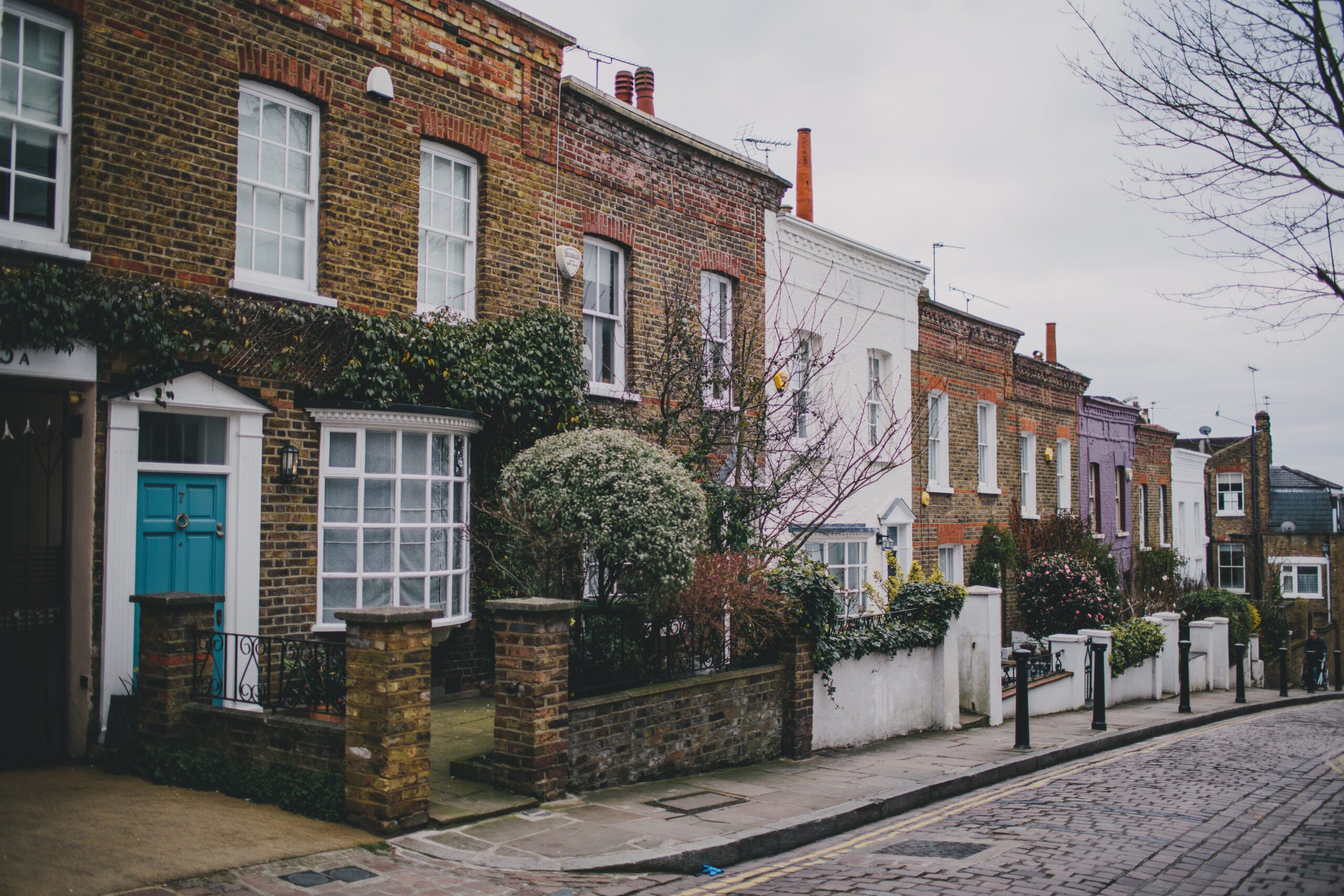
To illustrate the impact of sensitive period property renovation, we can look at a project involving a mid-terrace Victorian home in Southsea. The property was typical of the area: beautiful bay windows and original floorboards, but with a dark, segmented rear that felt completely disconnected from the courtyard garden. The challenge for our team was to create a spacious kitchen-diner while respecting the structural logic and the historic character of the Portsmouth streetscape. This required a creative approach to architectural design UK, moving beyond a simple “bolt-on” extension to a holistic reimagining of the ground floor.
The transformation began with a modest side-return extension, a classic technique in period property renovation that reclaims the underutilised space alongside the original rear wing. By removing the external wall and inserting hidden structural steels, we were able to double the width of the kitchen without losing the “rhythm” of the house. We specified a bespoke lantern roof light and a set of slim-profile heritage doors to flood the space with natural light. This specific intervention resolved the narrow, “corridor-like” feel that plagues so many Victorian layouts, creating a social hub that feels both grand and grounded.
In keeping with the principles of high-quality architectural design UK, we chose a material palette that bridged the century-long gap between the original house and the new addition. We sourced reclaimed London stock bricks to match the existing masonry and used a lime-based mortar to ensure structural compatibility. Internally, we restored the original plaster cornices in the front reception rooms but transitioned to a more contemporary, minimalist aesthetic in the new extension. This “clear distinction” between old and new actually helps to highlight the historic features, making the craftsmanship of the 1890s stand out against the clean lines of 2026.
The final result of this period property renovation was a home that offered the best of both worlds: a cosy, traditional front lounge and a bright, high-performance kitchen-diner that met all modern thermal standards. The client noted that the most rewarding part of the project was how the new space felt like a natural evolution of the building rather than an alien structure. This project serves as a perfect example of how thoughtful architectural design UK can breathe new life into our historic housing stock, ensuring that these cherished homes remain functional and vibrant for many years to come.
Period Properties FAQ: Renovating in Hampshire
Navigating the unique building regulations of the South Coast requires a blend of historic sensitivity and technical knowledge. Below, we address common questions from owners of heritage homes in areas like Southsea, Winchester, and the New Forest.
Do I need planning permission for a period property renovation in a Portsmouth conservation area?
Portsmouth City Council oversees several designated conservation areas, such as Stanley Street and the Seafront. In these zones, “Permitted Development” rights are often restricted by Article 4 Directions. While internal work typically does not require permission, a period property renovation that alters the external appearance—including changing windows, roofs, or front boundaries—will likely require a formal planning application to ensure the character of the area is preserved.
How does the 2026 Warm Homes Plan impact historic houses in Hampshire?
The 2026 Warm Homes Plan has introduced new EPC metrics focusing on “Fabric Performance.” For owners undertaking a period property renovation, this means there is a greater emphasis on improving insulation and reducing heat loss through the walls and roof. Our team specialises in integrating these thermal upgrades, such as breathable internal wall insulation, so that your home meets 2026 standards without risking damp issues common in solid-wall constructions.
What are the typical architect costs UK for restoring a listed building?
Listed buildings require a more intensive design and application process, often including a Heritage Statement and detailed “like-for-like” drawings. In 2026, architect costs UK for a Grade II listed renovation in Hampshire can range from £4,000 to over £12,000, depending on the scale of the structural changes and the level of negotiation required with conservation officers. These fees reflect the expert knowledge needed to secure Listed Building Consent and avoid criminal liability for unauthorised works.
Can I replace my original sash windows as part of a period property renovation?
In most conservation areas in Hampshire, councils prefer repair over replacement. However, if your windows are beyond saving, we often specify vacuum-glazed timber sashes. This technology is a core part of modern architect architectural design UK because it provides the slim profile required by heritage officers while delivering the thermal performance of modern triple glazing. We recommend a pre-application enquiry with your local council to confirm their current stance on high-performance heritage glazing.
Why is architectural design UK so important for period home extensions?
A period house is a delicate ecosystem of traditional materials. Professional architectural design UK ensures that a new extension doesn’t just look good but also “breathes” correctly with the old structure. We use moisture-modelling software to ensure that the junction between your Victorian brickwork and a modern glass extension doesn’t lead to interstitial condensation, protecting the long-term health of your property while delivering a stunning, light-filled space.