
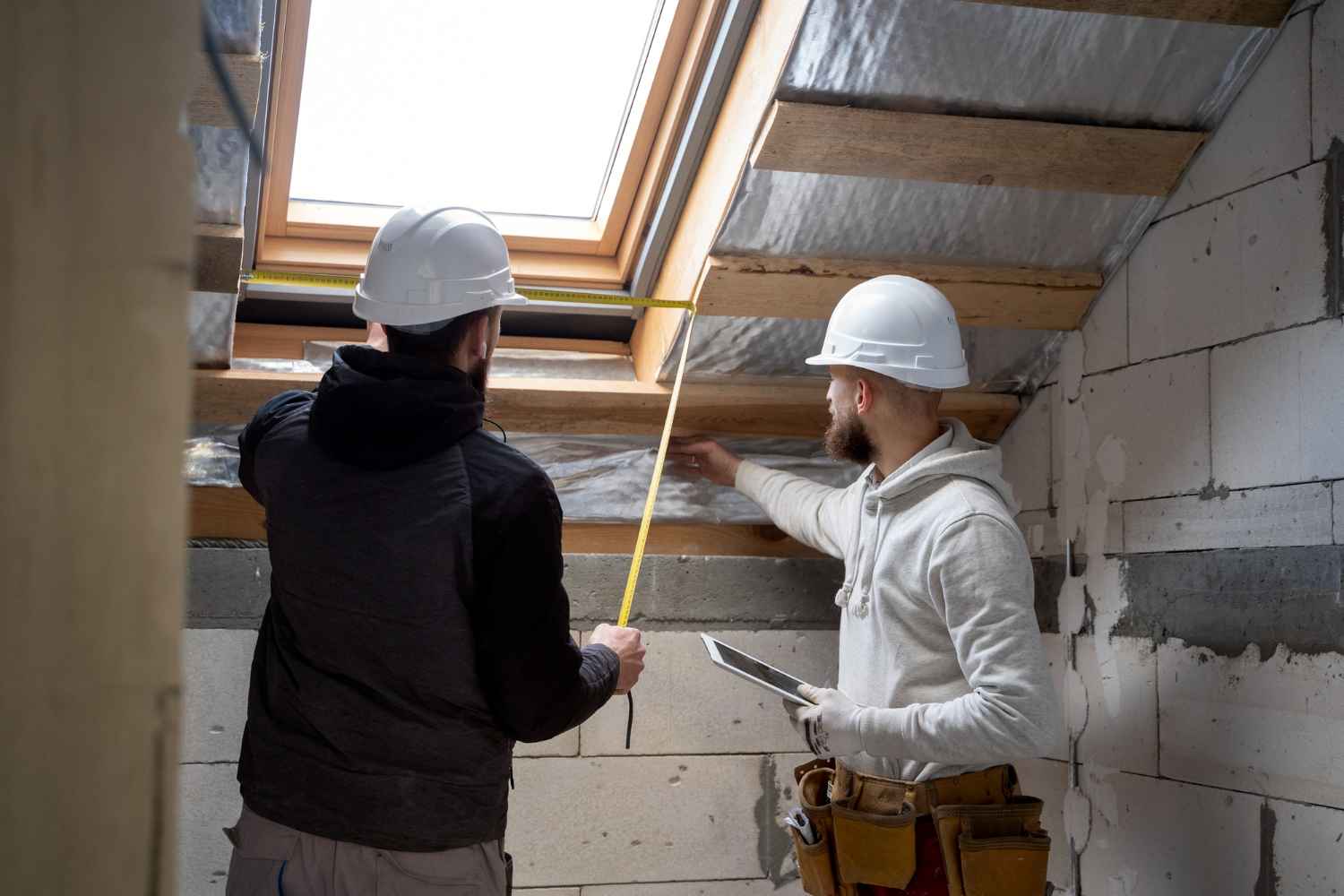
The classic Victorian and Edwardian terraced properties found throughout Hampshire, from the grid streets of Southsea to the historic rows of Winchester, possess an architectural charm that modern developments struggle to replicate. However, they also suffer from a near-universal design flaw: a severe lack of natural light in the centre of the home. Because these buildings were constructed back-to-back or in long, tightly packed rows, light can only enter from the narrow front and rear façades. As a result, the middle reception room, often designated as a dining area or a secondary lounge, is left cast in a permanent shadow, completely cut off from the sun.
At MCA Design, we treat this “mid-terrace shadow” as a creative design puzzle rather than an insurmountable constraint. The traditional solution of the past was simply to paint everything bright white and install extra floor lamps, but in 2026, homeowners expect their spaces to perform at a much higher standard. True spatial wellness relies heavily on circadian rhythm alignment, the natural cycle of daylight that regulates our energy and mood. To cure a dark interior, an experienced architectural design UK strategy must shift its gaze upwards, altering the structural framework of the property to capture overhead light that side-facing windows can simply never reach.
Overhead sunlight is fundamentally different from horizontal sunlight; it is up to three times brighter and remains consistent throughout the day, regardless of which direction your house faces. By introducing strategically placed openings in the roof plane, we can channel this high-intensity daylight deep into the core of a building. When we consult with clients who are feeling claustrophobic in their terraced homes, our first step is always to analyse the structural points where the roof interacts with these dark internal zones. This forms the baseline for an architectural transformation that alters the entire atmosphere of the property.
As we progress through June, the high angle of the summer sun makes this the perfect season to evaluate how light falls across your current floor plan. If your middle room requires artificial lighting even at midday, it is a clear indicator that the structural flow of light is blocked. By applying modern engineering principles and advanced glazing solutions, we can dissolve these dark boundaries. Over the following sections, we will demystify the exact architectural interventions – from side-return extensions to high-performance roof lights, that we use to turn gloomy period terraces into vibrant, light-filled family homes.
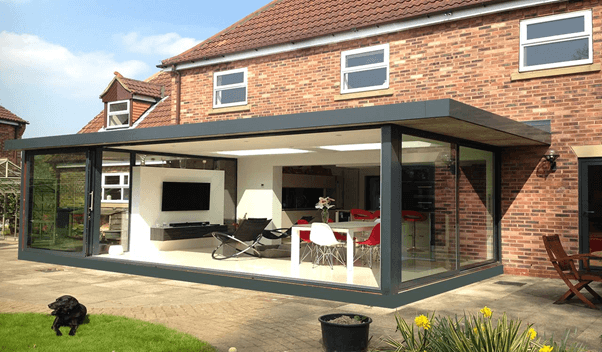
Structural Glazing Solutions: Velux vs. Flat Glass vs. Lanterns
When addressing a dark mid-terrace floor plan, the type of overhead glazing you specify will fundamentally dictate how light enters and moves through the space. In 2026, the market for structural glazing has evolved significantly to meet the rigorous thermal demands of Approved Document L, which enforces strict energy-saving targets for residential additions. Homeowners are no longer limited to simple, off-the-shelf windows; instead, high-performance roof lights are used as precise architectural tools to capture, diffuse, and manipulate natural daylight. Choosing the right style depends on the specific geometry of your roof and the emotional atmosphere you want to create inside.
Traditional pitched roof windows, commonly referred to by the brand name Velux, remain a highly reliable option for the sloping “outrigger” roofs found at the rear of most Victorian homes. These units are exceptionally practical because they can be ordered with integrated solar-powered blinds and rain sensors that close automatically at the first sign of a summer shower. When arrayed in a series between original timber rafters, these roof lights provide a rhythmic, studio-like illumination that washes down the flank walls, instantly making a narrow kitchen feel wider and more inviting.
For modern, flat-roof extensions, frameless flat glass units have become the gold standard in 2026 design. These minimal systems sit nearly flush with the roofline externally, protruding no more than 150mm to remain compliant with standard Permitted Development rules. Internally, they offer a completely unobstructed view of the sky with no visible framework, creating a clean, minimalist aesthetic. Because flat glass doesn’t catch the wind or disrupt the sightlines of upper-floor windows, it is an excellent choice for sensitive urban conservation areas across Hampshire where local planners demand discreet interventions.
Conversely, if your goal is to create a dramatic sense of volume and height, a structural glass lantern is unmatched. Typically featuring a dual-pitched, pyramidal design, a lantern sits proudly atop a flat roof, drawing the eye upward and creating a vaulted ceiling effect. This is particularly effective when positioned directly over a central focal point, such as a dining table or a kitchen island. While lanterns introduce an abundance of light, they also present more surface area to the elements, which is why we specify units with advanced low-emissivity coatings and thermal breaks to prevent winter heat loss and summer overheating.
Regardless of the style you select, the technical specification of the glass is paramount in 2026. High-quality roof lights must feature argon-filled double or triple glazing with an area-weighted thermal performance that meets or exceeds current building control limits. By opting for glass with self-cleaning coatings and a low solar-factor rating, you ensure that your new, light-filled space remains thermally comfortable, structurally sound, and effortless to maintain throughout every season of the year.
The Side-Return Infill and the Internal Glazing Strategy
For a mid-terrace home, the side-return infill extension is arguably the most transformative structural intervention available. The side-return is that narrow, underutilised strip of garden that runs alongside the rear wing of a Victorian or Edwardian house. By bridging this gap and building out to the boundary line, you can reclaim valuable square footage and flatten out a traditionally jagged floor plan. From a light-reception perspective, this allows you to install a continuous ribbon of roof lights along the entire length of the newly created boundary wall, turning what was once a dark, damp exterior alley into a sun-drenched internal corridor.
However, bringing light into the new extension is only half the battle; the real architectural challenge is driving that light deeper into the original middle room of the house. To achieve this, we look at the internal walls that separate the old structure from the new addition. Instead of completely opening up the space with massive steel beams, which can sometimes strip a period home of its cosy, distinct zones, we frequently specify internal glass screens or steel-framed industrial doors. This internal glazing strategy allows daylight to flow unhindered from the rear of the house right through to the front hallway, creating long, bright visual lines.
Another highly effective tool for spaces where a standard window installation is structurally impossible is the sun tunnel or light tube. These systems use a highly reflective, flexible mirror-lined tube to channel natural daylight from an acrylic dome on your roof down through your ceiling voids, traveling up to six metres to illuminate dark, windowless spaces like internal cloakrooms, deep hallways, or central stairwells. While a sun tunnel doesn’t offer a view of the sky like traditional roof lights, its ability to deliver intense, natural ambient light to landlocked parts of a terrace is an invaluable asset in a compact urban floor plan.
Finally, the success of this layout depends on the precise coordination of your ceiling heights. Where the original building meets the new extension, we often design a vaulted ceiling or create structural step-ups to maximise the vertical volume directly beneath the glazing. This elevated height allows the light entering from above to bounce more effectively off the walls, softening shadows and ensuring that the transition between the old nineteenth-century rooms and your modern 2026 living space feels natural, intentional, and beautifully illuminated.
The Psychology of Reflection: Colour, Mirrors, and Spatial Tricks
Maximising the light in a mid-terrace home involves more than just structural changes; it requires a deep understanding of how light interacts with internal surfaces. Once you have introduced overhead daylight via your new roof lights, the next step is to ensure that light is effectively preserved and amplified rather than absorbed. In the field of modern interior architecture, we use specific material textures, tonal palettes, and reflective surfaces to bounce daylight deep into the corners of a room, altering the perceived scale of a narrow floor plan.
The choice of wall finish plays a significant role in light distribution. While painting everything a flat, brilliant white might seem like the most logical solution for a dark room, it can often result in a cold, grey appearance if the space lacks direct sunlight. Instead, we select warm, light-reflective tones with subtle yellow, pink, or ochre undertones that mimic the natural warmth of the sun. Using a paint finish with a soft sheen, such as a subtle satin or silk rather than a completely chalky matte, allows daylight to glance off the walls and slide further into the interior core.
Light Distribution Comparison:
Flat Matte Finish -> Absorbs and scatters light locally
Satin/Sheen Finish -> Reflects and projects light deeper into the floor plan
Strategic placement of mirrors and polished surfaces can further manipulate the path of natural daylight. Positioning a large, bespoke mirror directly opposite an internal glass partition or beneath a run of roof lights can create a powerful optical illusion, effectively doubling the visual volume of the room. This technique can be extended to your choice of fixtures and fittings; for example, selecting light-toned quartz worktops, polished concrete floors, or high-gloss kitchen cabinetry will turn your everyday furniture into highly effective light reflectors.
Finally, floor finishes should be carefully coordinated with your overhead glazing strategy. Dark timber floorboards or heavy carpeting will instantly absorb sunlight, pinning the room down and making it feel more enclosed. In contrast, pale oak flooring, light large-format porcelain tiles, or micro-cement running continuously from the front parlor through to the rear garden will draw the eye along the full length of the property. This continuous line of reflection ensures that the natural light captured by your architectural interventions is fully utilised, creating a cohesive, bright, and uplifting living environment.
Case Study: The Southsea Lightwell Transformation
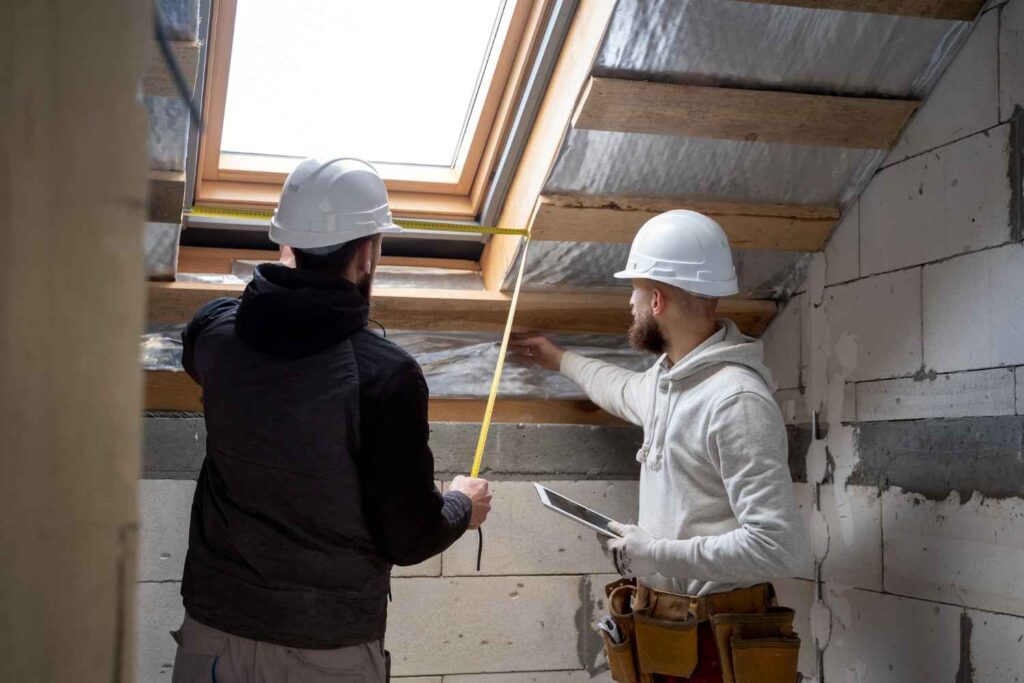
To understand how these principles work in practice, we can look at a recent project completed in the heart of Southsea. The property was a standard late-Victorian mid-terrace that had undergone a traditional, poorly lit kitchen extension in the early 2000s. The middle reception room was entirely landlocked, requiring artificial lighting even on the brightest June afternoons. The client’s brief was clear: transform the ground floor into a vibrant, open-plan family living zone without extending further into their precious courtyard garden.
Our design team approached this by carving a structural lightwell into the side-return of the property. By replacing a section of the old solid roof with high-performance, frameless roof lights, we managed to drop daylight directly down into the junction where the old house met the new extension. To maximise the impact of this overhead sun, we removed the traditional solid masonry wall separating the middle room and replaced it with a floor-to-ceiling internal glass partition. This simple structural shift allowed the light captured from above to flood across the entire ground floor plan.
The material selection was crucial to amplifying this newly introduced daylight. We specified polished light-grey micro-cement flooring across the entire ground floor, which acted as a giant mirror for the overhead glazing. The kitchen cabinets were finished in a soft, reflective cashmere tone, completely transforming the dark, claustrophobic core of the terrace into a spacious, light-filled environment that felt connected to the shifting patterns of the coastal sky.
The final result proved that you do not always need a massive extension to change how a home feels. By prioritising the strategic placement of structural roof lights and opening internal sightlines, the property gained a completely new architectural character. The previously abandoned middle room has now become the family’s favourite space, a bright, warm reading nook and social hub that bridges the gap between the historic front parlour and the modern rear kitchen.
Resolving the Dark Terrace: Hampshire FAQ
Navigating local planning constraints and building control requirements is a vital part of opening up a period home. Below, we address the most common questions from terraced homeowners along the South Coast.
Do I need planning permission to install roof lights on a terraced house in Winchester?
In most cases, installing a standard roof light falls under Permitted Development rights (Class C), meaning you do not need full planning permission. However, this is subject to strict conditions: the windows must not protrude more than 150mm beyond the plane of the existing roof slope, and any side-facing glazing must be obscure-glazed to protect neighbour privacy. If you live within a Winchester conservation area or a listed building, these rights are often restricted, and an application for planning permission or Listed Building Consent will be required.
How do the 2026 building regulations affect the amount of glazing I can add to a terrace extension?
Under Approved Document L of the building regulations, there is a general restriction on the total area of glazing you can add to a residential extension. Typically, windows, doors, and roof lights should not exceed 25% of the total floor area of the new addition plus the area of any existing openings that have been covered up. If your design exceeds this limit to maximise light, our team must provide SAP calculations to demonstrate that the overall thermal performance of the house balances out through enhanced insulation elsewhere.
What is the difference between a roof lantern and a flat rooflight for a flat extension?
The choice comes down to both aesthetics and volume. A flat rooflight offers a minimal, frameless look internally and sits flush externally, making it ideal for tight urban spaces where you want to avoid blocking a first-floor window view. A roof lantern is a raised, three-dimensional glass structure that adds vertical height and architectural drama to your ceiling. While lanterns bring in excellent light, they require careful positioning to avoid falling foul of local planning rules regarding height and overshadowing in compact Hampshire gardens.
Will adding internal glass screens impact the fire safety of my terraced house layout?
Yes, fire safety is a critical consideration under Approved Document B when altering internal walls. Traditional terraced houses often rely on the hallway acting as a protected escape route. If you replace solid walls with internal glazing or open up the floor plan completely, you must ensure that any glass screens are appropriately fire-rated, or introduce alternative safety measures such as an open-plan sprinkler system or mains-linked smoke alarms to ensure compliance with building control.
How do I prevent a highly glazed terrace extension from overheating in the summer?
To keep your sun-drenched space comfortable during the warmer months, the specification of the glass is paramount. We use solar control glass for all modern installations, which features a microscopic coating designed to reflect away the sun’s harsh infrared heat while allowing visible light to pass through. Combining this with opening roof lights that create a “stack effect”, allowing rising hot air to escape from the top of the house while pulling cooler air in from ground-floor doors, ensures your room remains perfectly tempered year-round.
Struggling with a dark space? Send us your floorplan to receive a free, personalised design tip video for your home.