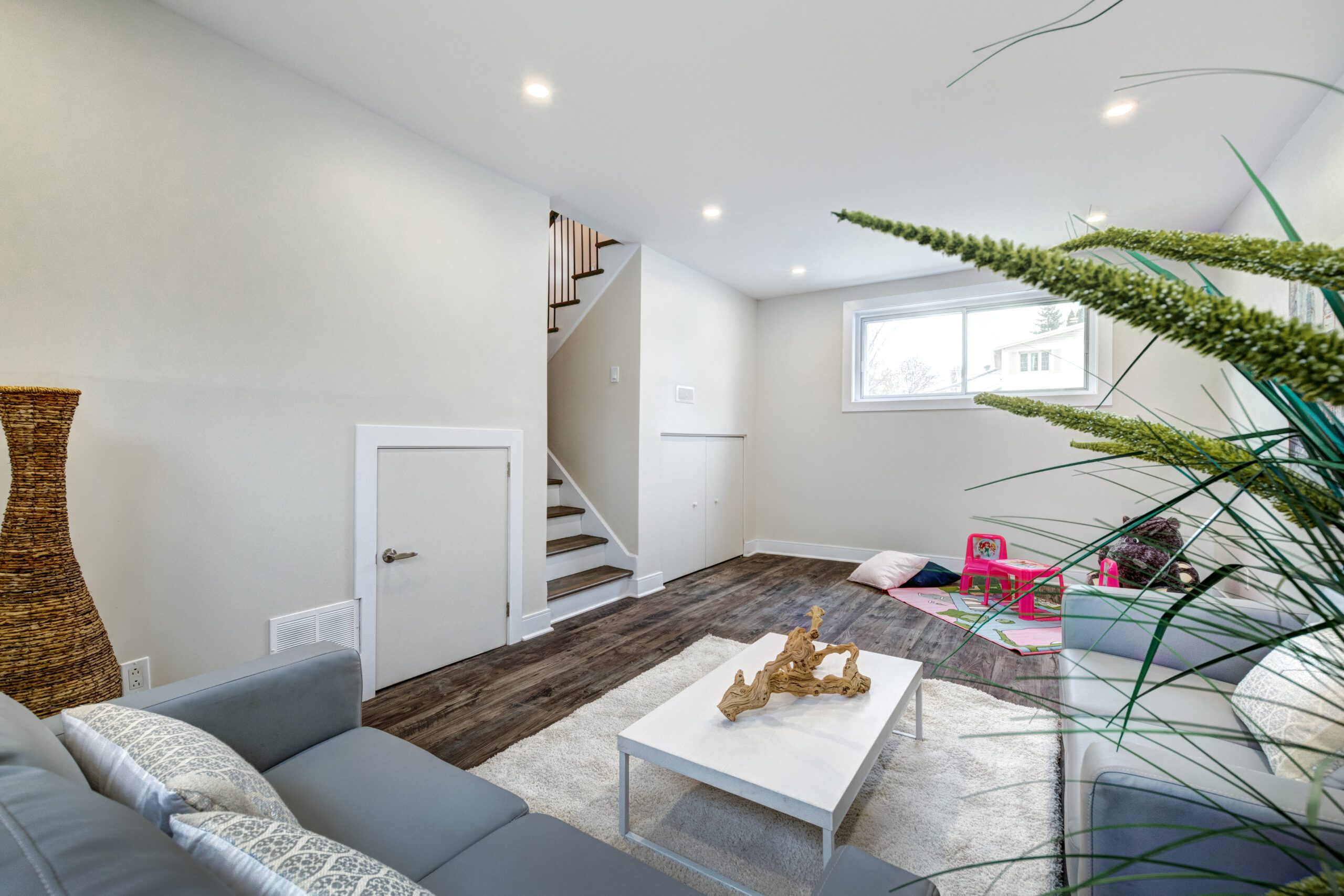
A basement conversion is an excellent way to unlock the hidden potential of your home. It transforms unused or underused basement space into valuable, functional rooms, such as additional living areas, offices, or even rental units. With careful planning and design, a basement can become a seamless extension of your home that provides extra space without the need for costly and disruptive extensions.
The popularity of basement conversions has risen in recent years as homeowners look for creative ways to increase their living space. Converting a basement can add significant value to your property, while also providing much-needed space for a growing family, home office, or gym. It is a cost-effective alternative to moving to a larger property, allowing you to make the most of your current home.
In this blog, we’ll explore the benefits of conversions, what to consider before starting the project, the necessary planning permissions and regulations, as well as design ideas and costs. Whether you want a cosy guest room, a stylish office, or a practical storage area, a well-executed conversion can unlock your home’s potential and make it work harder for you.
Why a Conversion Makes Sense
A basement conversion offers a fantastic opportunity to maximise the space in your home without the hassle or cost of moving. One of the biggest advantages is that it allows you to create additional living space by transforming an underutilised area into something practical and valuable. Whether you need more room for your family, a dedicated home office, or an extra guest bedroom, a conversion can provide a solution that works for you.
Perhaps the most compelling reason to opt for a conversion is its potential to increase your property value. Converting your basement can add significant value to your home, with estimates suggesting up to 20% in some cases. By adding additional bedrooms or self-contained living areas, you enhance your home’s appeal to potential buyers, especially those looking for multi-generational living or additional rental income.
Another key benefit is the cost-effectiveness compared to other types of home extensions. Since you are using existing space, you avoid the need for building new foundations or extensions, saving both time and money. Furthermore, the project is often less disruptive than an extension, as much of the work can be done below ground level, reducing the impact on the rest of the house.
With proper design and planning, a conversion can be a long-term, flexible solution to your space needs. It’s an investment that enhances both the functionality and value of your home, making it a smart choice for many homeowners.
Popular Uses for a Basement Conversion
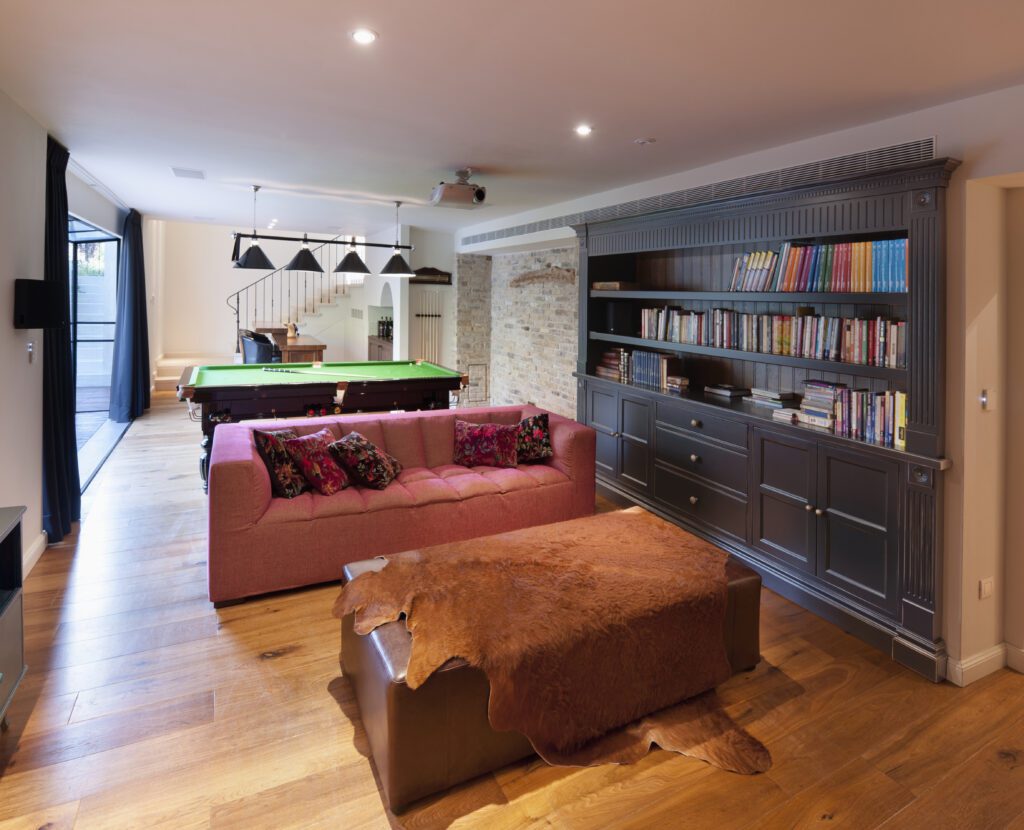
One of the major advantages of a conversion is the sheer variety of uses it can serve. Depending on your family’s needs, a basement can be transformed into a wide range of functional spaces. Here are some of the most popular options for converted basements:
Home Office
With the rise of remote working, many homeowners are converting their basements into dedicated home offices. A basement can provide the quiet, private space necessary for a productive work environment, away from the distractions of the rest of the house. Additionally, basements often have the advantage of being naturally quieter and can be easily insulated against sound.
Guest Bedroom
Basements are ideal for creating a comfortable and private guest suite. With proper lighting, ventilation, and decor, a basement can become a welcoming space for guests without taking up precious space in the main areas of your home. Adding a bathroom in the basement can make it even more self-sufficient, offering your guests full privacy.
Gym or Fitness Area
Another popular use for basement conversions is a home gym. The space allows for plenty of room to install fitness equipment, and basements typically offer the advantage of being far enough away from the main living areas, so noise won’t disturb the rest of the household. With the right lighting and flooring, your basement gym can be a stylish and functional space.
Cinema Room or Entertainment Area
A basement conversion can be the perfect setting for a home cinema. The lack of natural light makes it an ideal space for creating a dark, immersive environment. You can also add soundproofing and seating for a true cinema experience at home.
Rental Unit or Annex
If you’re looking for an income-generating opportunity, consider turning your basement into a self-contained unit or annex. With its own entrance, bathroom, and living space, a basement can be a great way to provide a separate living space for family members or even rent it out as a short-term rental.
The possibilities for a conversion are endless, and with the right design and planning, you can create a space that meets your exact needs.
What to Consider Before Starting a Basement Conversion
Before diving into a conversion, it’s important to carefully assess several factors that will impact the success and feasibility of your project. Taking the time to consider these key elements will help ensure your conversion is both practical and long-lasting.
- Waterproofing and Damp Proofing
Basements are particularly vulnerable to dampness and moisture, so proper waterproofing and damp proofing are essential. You must ensure the space is dry, especially if you plan to use it for living purposes like a guest bedroom or home office. Depending on the existing conditions of your basement, you may need to install a damp-proof membrane, water-resistant walls, or even sump pumps to manage water flow. - Ventilation and Air Quality
Proper ventilation is vital for creating a comfortable and healthy environment in a basement. Without adequate airflow, your converted basement can feel musty and uncomfortable. Installing ventilation systems, such as extractor fans or even a heat recovery ventilation (HRV) system, helps regulate air quality, prevent damp build-up, and improve overall comfort. - Head Height and Structural Integrity
The ceiling height of your basement is a key factor to consider before starting a conversion. If the ceiling is too low, it can make the space feel cramped and unwelcoming. In some cases, excavation can be done to increase the head height, but this can add to the cost. It’s also important to assess the structural integrity of your basement, as some basements may require additional support or reinforcement to ensure stability. - Access and Layout
You’ll need to think about how to create easy access to the converted basement. Adding or improving a staircase to the basement should be carefully planned to comply with building regulations. The layout of your basement should also be designed to optimise space and functionality. Consider whether any structural walls need to be removed or if you want to create open-plan living areas. - Lighting
Basements often lack natural light, so it’s important to plan for proper artificial lighting. Strategically placed windows, light wells, or skylights can help bring natural light into the space, while LED lighting and task lights can be used to brighten the interior. Creating a well-lit, welcoming atmosphere is key to making the space functional and inviting.
Taking these factors into account at the beginning of your project ensures that your conversion is a successful, long-term solution for your home. MCA Design can help guide you through these considerations, ensuring all aspects of your conversion are addressed efficiently.
Planning Permission and Building Regulations
When undertaking a basement transformation, understanding planning permission and building regulations is crucial. While many conversions fall under Permitted Development Rights, meaning planning permission is not required, certain conditions and restrictions may apply depending on your property’s location and the extent of the work.
Planning Permission
In most cases, basement conversions do not require full planning permission if the conversion stays within the property’s existing footprint and does not alter the building’s external appearance. However, if you plan to extend the basement beyond the original structure or alter the exterior (such as installing windows, altering the front of the property, or creating an independent entrance), you may need to apply for planning permission. Additionally, if your property is in a conservation area or is a listed building, planning permission will almost certainly be required.
Building Regulations
Even if planning permission is not necessary, you will still need to obtain building regulations approval. Building regulations are in place to ensure that the conversion is safe, structurally sound, and meets certain standards for energy efficiency, fire safety, and accessibility. These regulations cover essential aspects of the conversion, including:
- Structural integrity: Ensuring the basement’s foundations, walls, and ceilings can support the conversion.
- Fire safety: Including the installation of fire exits, fire doors, and smoke alarms.
- Insulation and damp proofing: Ensuring the basement is properly insulated to prevent heat loss and damp.
- Ventilation: Making sure the basement has adequate airflow and air quality.
- Ceiling height: A minimum ceiling height is required to ensure comfort and safety.
Working with a professional design team, like MCA Design, ensures your conversion is fully compliant with building regulations. We manage all the necessary approvals, liaising with local authorities, and ensuring the conversion is completed to the highest standard.
Basement Conversion Costs and Budgeting Tips
One of the most important factors to consider when planning a conversion is the cost. Understanding the potential costs involved and budgeting effectively will help ensure that your project stays within your financial means and is completed on time.
Typical Costs for a Conversion
The cost of a basement conversion can vary greatly depending on the size of the space, the level of work required, and the finishes you choose. On average, the cost per square metre for a basic conversion ranges from £1,500 to £3,000. For example, a small basement of 20 square metres could cost between £30,000 and £60,000, while larger or more complex conversions could exceed £100,000.
What Affects the Cost?
Several factors can influence the final cost of a basement conversion:
Waterproofing and damp proofing: As basements are prone to moisture, adequate waterproofing and damp proofing are essential. This can involve the installation of a damp-proof membrane or sump pump, adding to the overall cost.
Structural work: If your basement requires structural reinforcements, such as underpinning or excavation to raise the ceiling height, this will increase costs.
Insulation and ventilation: Proper insulation and ventilation are crucial for maintaining a comfortable living environment in the basement. The cost will depend on the quality of the insulation and the type of ventilation system you install.
Quality of finishes: High-end finishes, such as luxury flooring, bespoke cabinetry, or premium bathroom fittings, can significantly increase the cost.
Budgeting Tips
When budgeting for a basement conversion, it’s important to factor in a contingency fund. Set aside around 10-15% of the total project cost to cover unexpected expenses. It’s also advisable to get multiple quotes from contractors and check their references. MCA Design can help with accurate cost estimations, ensuring your project stays on budget and meets all your expectations.
With careful planning and budgeting, a conversion can be a cost-effective way to add value and functionality to your home.
How MCA Design Helps with Conversions
At MCA Design, we make the basement conversion process straightforward and stress-free from start to finish. Our experienced team combines architectural expertise with practical knowledge of construction and building regulations to deliver high-quality, functional spaces that add real value to your home.
The process begins with an in-depth consultation to understand your goals, budget, and the way you use your home. From there, we assess your existing basement, identifying opportunities for improvement and potential challenges such as waterproofing, ventilation, and access. Our detailed surveys ensure every aspect of the conversion is considered before any work begins.
We then develop clear, professional design drawings that bring your vision to life. These plans ensure your basement conversion complies with all building regulations while maximising comfort, usability, and light. We can also manage the planning and approval process on your behalf, liaising with local authorities where necessary to save you time and hassle.
Once approved, MCA Design continues to support you through construction. Working alongside our trusted partners, including MCA Build, we ensure every stage is completed to the highest standard.
Whether you want to create an extra bedroom, gym, or living area, MCA Design’s professional guidance and attention to detail guarantee a seamless transformation that enhances both your home and lifestyle.
Basement Conversion: FAQs
Do I need planning permission for a conversion?
In most cases, planning permission is not required if you are converting an existing basement without altering the external appearance of your home. However, properties in conservation areas or listed buildings may require permission. Extensions or changes to access points may also need approval.
Will a basement conversion add value to my home?
Yes. A well designed conversion can add significant value, often increasing property worth by 10 to 20 percent. Creating additional living or rental space is highly appealing to buyers.
How long does a conversion take?
Timelines vary based on the size of the basement and the level of work involved. A straightforward conversion may take 8 to 12 weeks, while projects requiring structural work, excavation, or underpinning can take several months.
How do you deal with damp in a conversion?
Effective waterproofing is essential. This may include tanking systems, damp proof membranes, drainage channels, or sump pumps. MCA Design will assess the conditions of your basement and specify the correct solution to keep the space dry and comfortable.
Is a basement transformation cheaper than an extension?
Often, yes. Because you are working within the existing footprint of your property, you avoid major construction costs like new foundations or roofing.
If you are thinking about a basement conversion, contact MCA Design today for expert guidance and tailored design solutions that help you unlock the full potential of your home.